Home Renovation Contractor: Making Your Vision a Reality
A home remodeling contractor functions as a vital connection between a homeowner's aspirations and the technical demands of building. They merge creative vision with technical expertise, ensuring that projects adhere to structural integrity and local regulations. Such collaboration can simplify the remodeling journey, but it also raises important considerations. Learning how to identify the best contractor and preventing common errors is essential for a successful transformation of your living space. What should homeowners keep in mind?
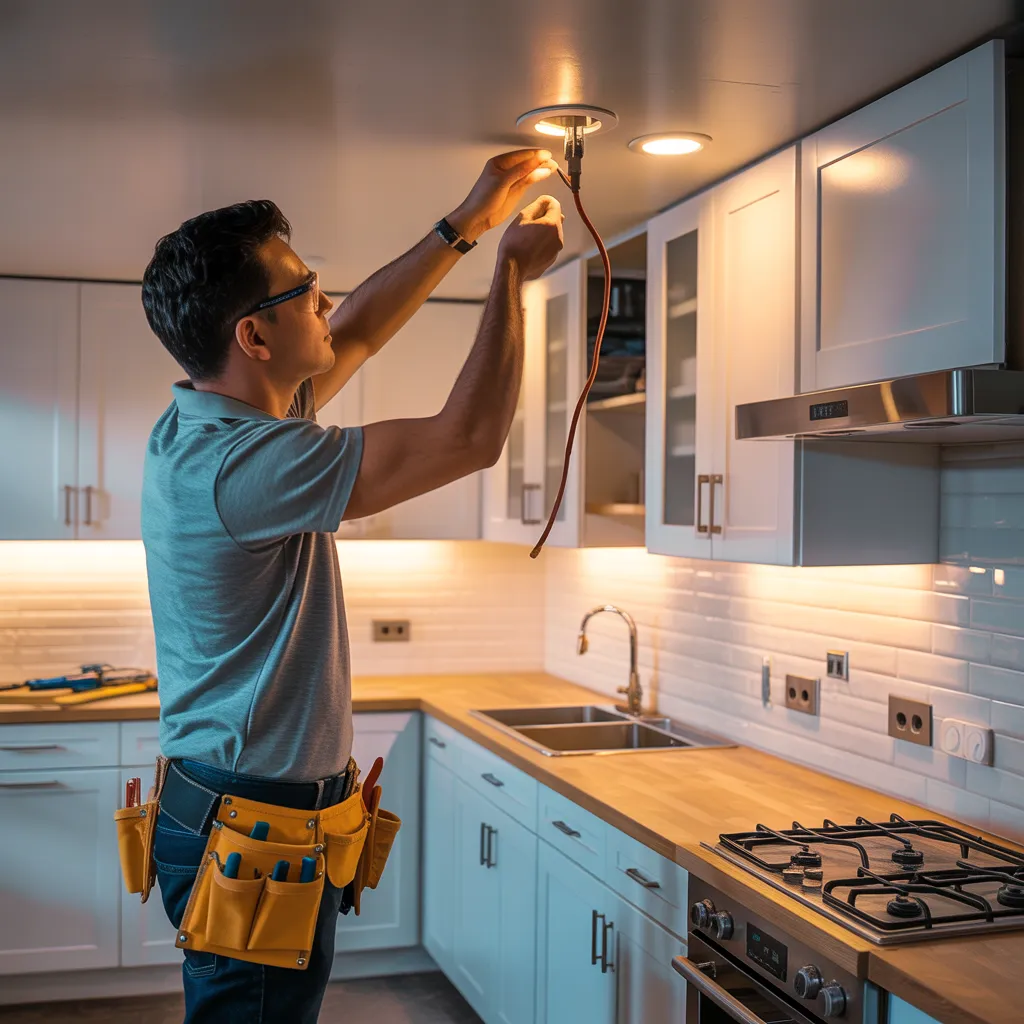
How a Home Renovation Contractor Can Help You
A residential renovation specialist brings visions to life by leading homeowners through the intricate remodeling journey. They start by evaluating the client's ideas, confirming that it corresponds with the practical aspects of the property. Through careful preparation, contractors streamline the workflow, collaborating with multiple tradespeople and vendors to maintain schedules and budgets.
Furthermore, their knowledge assists in maneuvering through local regulations and acquiring the needed permits, reducing the risk of legal complications. Home renovation contractors also offer helpful guidance on current design trends and building materials, improving the overall look and functionality of the project. Their problem-solving skills are essential when unexpected challenges arise, permitting rapid changes without compromising the project timeline.
In the end, a home remodeling contractor serves as a reliable guide, guaranteeing that the renovation project is well-managed and that the final outcome embodies the homeowner's desires while maintaining safety and structural integrity.
Top Benefits of Hiring a Home Renovation Contractor
Engaging a home renovation contractor presents notable benefits that can optimize the home improvement process. Their knowledge and experience ensure that projects are finished efficiently and to a high standard. In addition, employing a qualified specialist can reduce both time and costs, making the whole renovation journey far easier for property owners.
Expertise and Background
Skill and expertise play a vital role when carrying out home renovation projects. Professional home renovation contractors carry specialized expertise that empowers them to manage challenging projects effectively. Their knowledge of local building codes and regulations ensures adherence, preventing costly delays or legal issues. Additionally, skilled contractors have a network of trusted suppliers and subcontractors, which can enhance the quality of materials and workmanship. This industry experience empowers them to identify likely complications, offering solutions that a homeowner might overlook. In the end, hiring an experienced contractor not only elevates the quality of the renovation but also provides peace of mind to the homeowner, knowing that their goals are being handled by qualified experts. Such expertise transforms ideas into tangible results, making the renovation process more efficient and rewarding.
Time Savings and Cost Efficiency
One of the primary advantages of hiring a home renovation contractor is the substantial time and financial savings they bring to a project. Contractors streamline the renovation process by managing schedules, coordinating labor, and sourcing materials, which minimizes setbacks and ensures the project stays on schedule. The strong supplier connections they maintain often translate into favorable material pricing, which means reduced expenses for homeowners. Additionally, experienced contractors excel at identifying potential issues before they arise, reducing unforeseen costs. Through the use of their professional knowledge, homeowners can avoid costly mistakes that may arise from inexperience. In the end, hiring a home renovation contractor proves worthwhile through a more efficient renovation experience, making certain the project remains within budget and on schedule.
Crucial Questions to Ask Before Hiring a Contractor
Before hiring a home renovation contractor, it is essential to address key questions that can affect the success of the project. Evaluating their experience and expertise, verifying licensing and insurance, and being aware of the project timeline and budget are critical steps in arriving at an informed decision. Considering these factors can help ensure a seamless renovation process.
Levels of Experience and Expertise
When beginning a home renovation project, grasping a contractor's experience and expertise is vital for ensuring quality outcomes. Property owners should investigate the contractor's tenure in the business, kinds of work they have undertaken, and knowledge of applicable materials and methods. Evaluating a contractor's portfolio can offer a glimpse of their workmanship and aesthetic. Additionally, seeking testimonials allows prospective customers to gauge satisfaction levels from previous customers. It proves helpful to review any specialized qualifications or certifications that the contractor might hold, as such credentials signal a devotion to quality work. At the end of the day, a contractor's background and proficiency greatly influence the renovation's success, rendering these questions essential before finalizing your choice.
Licensing and Insurance Verification
Verifying that a home renovation contractor maintains the proper licensing and insurance is essential for homeowners seeking to protect their investment and mitigate risks. A legitimate license confirms that the contractor has met local regulatory requirements, ensuring compliance with safety and building codes. Homeowners should confirm the contractor's licensing status via state or local licensing authorities to prevent possible legal complications.
Insurance coverage, covering liability insurance and worker's compensation, offers monetary security in the event of damages or accidents during the remodeling project. Homeowners should request proof of insurance and verify its validity. By addressing these critical questions, homeowners can select a reliable contractor, shielding their project from unforeseen issues and providing peace of mind throughout the remodeling process.
Project Timeline and Financial Plan
A thorough grasp of the renovation timeline and budget is vital for homeowners thinking about a renovation. Prior to hiring a contractor, key questions need to be addressed. Homeowners ought to request information on the projected start and finish dates, as well as potential delays and their causes. It is also necessary to review the total budget, covering material expenses and labor charges, to steer clear of surprise expenditures. Homeowners should ask about billing schedules and whether contingency plans cover unanticipated issues. Furthermore, knowing how project modifications can impact both the schedule and budget is essential. By resolving these matters ahead of time, homeowners can guarantee a smoother renovation process and synchronize their goals with the contractor's expertise.
Picking the Ideal Home Renovation Contractor: Important Tips
How should homeowners approach the frequently daunting process of selecting the right home renovation contractor? Initially, they should collect suggestions from acquaintances, relatives, or review websites to gather a list of potential candidates. Next, verifying credentials is essential; homeowners should ensure contractors maintain valid licenses, adequate insurance, and relevant expertise in the exact category of renovation being planned.
Setting up meetings helps homeowners to evaluate communication styles and professionalism, which are key indicators of a effective partnership. In these sessions, addressing budgets and project timelines can define goals. It is also beneficial to seek and verify testimonials from previous clients, offering a better understanding of the quality of work and reliability of the contractor.
Ultimately, securing detailed written estimates from a number of contractors enables homeowners to compare options effectively. By implementing these measures, homeowners are able to confidently select a contractor who matches their vision and project needs.
What to Expect in the Home Renovation Process
While commencing a home renovation, homeowners should anticipate a comprehensive process that progresses through multiple phases. The process starts with a detailed consultation where homeowners articulate their goals and needs. This portion commonly entails discussing aesthetic preferences, building materials, and project timelines.
After the initial meeting, the contractor will prepare comprehensive schedules and blueprints, facilitating an organized process for the construction project. After approval, the project moves into the active phase, in which structural modifications, demolition, and installations take place. Homeowners should anticipate certain inconveniences, as household schedules might be disrupted.
Regular communication is essential during the renovation process to handle any unexpected issues or changes. In the concluding stages, as the project nears completion, concluding elements such as painting and decorating will be carried out. In the end, homeowners can expect a joint effort that converts their preliminary ideas into a realized result, necessitating trust and patience in their preferred contractor.
How to Manage Your Home Renovation Budget
Budgeting for a home renovation demands thorough planning and thought. To begin, homeowners should define the scope of the project, specifying particular renovations and expected results. Such clarity assists in developing a realistic budget. Next, investigating costs for materials, labor, and permits is essential. Gathering multiple find now quotes from contractors can provide a better understanding of potential expenses.
It is also advisable to reserve a emergency reserve, generally between 10 and 20 percent of the overall budget, to cover unanticipated expenditures. Property owners should rank their remodeling objectives, identifying the difference between must-haves and nice-to-haves, which can help facilitate smart determinations when financial limitations occur.
In the end, recording spending throughout the home improvement process guarantees that financial outlays match the original financial plan. By following these steps, homeowners can create a thorough monetary strategy that backs their renovation goals while minimizing surprises during the project.
Typical Renovation Pitfalls to Avoid
When starting on a home renovation, many homeowners tend to overlook critical details that can result in costly mistakes. One common error is underestimating the budget, which can result in partially completed projects or hurried choices. Furthermore, overlooking the need for proper permits can result in legal issues and fines.
Another frequent oversight is failing to plan for the timeline, which results in delays and frustration. Homeowners often overlook the importance of hiring qualified contractors; poor workmanship can compromise the quality and safety of the renovation.
Moreover, selecting trendy designs rather than classic ones can diminish a home's value. Finally, poor communication with contractors can result in miscommunications and unmet expectations. By understanding and sidestepping these pitfalls, homeowners can ensure a more seamless renovation process, ultimately fulfilling their vision without avoidable setbacks.
Popular Questions We Receive
How Long Does a Typical Home Renovation Project Take?
A typical home renovation project typically takes between a few weeks to several months, depending on the overall complexity of the project, the scale of the space involved, and the availability of materials and labor.
Which Permits Are Necessary for Home Renovations?
Home renovation projects commonly demand several types of permits, which include building, electrical, plumbing, and zoning permits. The particular requirements are determined by local regulations and the project's scope, requiring homeowners to consult with local authorities to guarantee compliance before commencing work.
Can I Live in My Home During Renovations?
Yes, one can live in their home during remodeling projects, but it often causes discomfort and disruption. Considerations include the scope of the project, safety concerns, and the ability to use critical utilities during the construction phase.
What Happens if Unexpected Issues Arise During Renovation?
Unanticipated challenges throughout the renovation process can lead to setbacks, higher expenses, and modifications to the planned project scope. Contractors typically examine the situation, discuss matters with the homeowners, and offer practical solutions to ensure the work continues without major disruption in spite of complications.
How Do I Maintain My Home After Renovations?
To keep a home in top condition following renovations, periodic inspections, regular cleaning, and swift repairs are vital. Homeowners must examine surfaces, watch for leaks, and upkeep HVAC systems to sustain both appearance and performance over time.